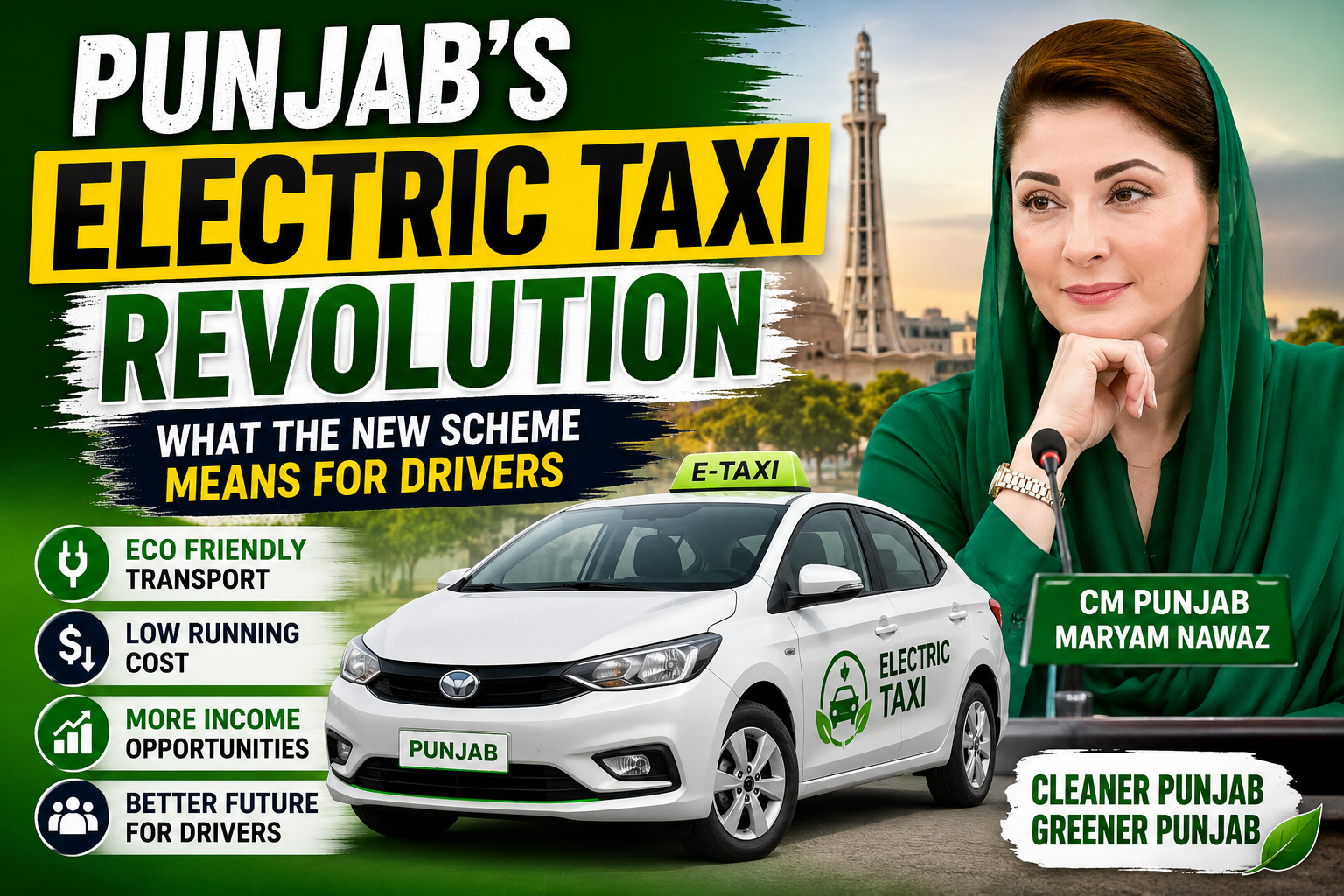
Punjab is entering a new phase of modern transport planning with the introduction of an electric taxi initiative aimed at reshaping urban mobility and creating new income opportunities for drivers. The idea behind this program is not only to modernize the transport system but also to reduce fuel dependency, lower pollution levels, and provide drivers with more stable earning options through electric vehicles.
Unlike traditional taxi systems that rely heavily on petrol and diesel, this shift toward electric mobility is designed to reduce long-term operational costs and improve environmental conditions in major cities of Punjab. For drivers who have been struggling with rising fuel prices, this scheme is being seen as a potential turning point in how daily income is generated in the ride-hailing and taxi sector.
The focus of the program is also aligned with global trends where governments are encouraging electric vehicles (EVs) to replace conventional transport systems. Punjab’s initiative reflects a similar direction, aiming to introduce cleaner transportation while also supporting employment generation.
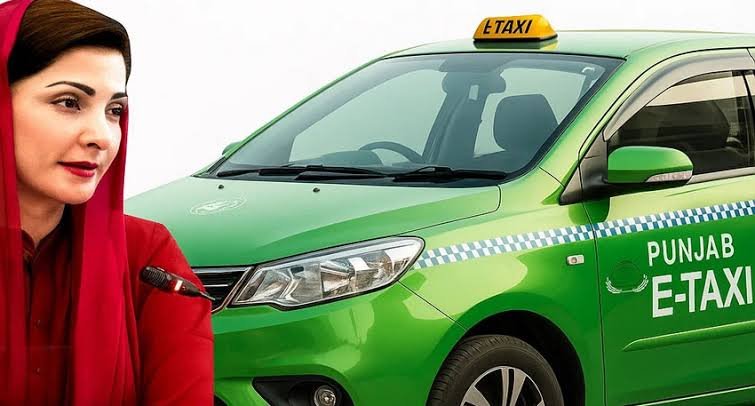
Overview of the Electric Taxi Initiative
The electric taxi scheme is structured around the idea of providing drivers with access to electric vehicles either through financing models, subsidies, or installment-based ownership plans. While exact implementation details may vary as the program develops, the overall direction is centered on affordability and sustainability.
This scheme is especially important in urban centers where traffic congestion and air pollution have become serious concerns. Electric taxis are expected to help reduce noise pollution and improve air quality while also lowering daily fuel expenses for drivers.
Key Objectives of the Scheme
The government’s electric taxi initiative is built on several core objectives:
- Reducing fuel import dependency in Pakistan
- Lowering transportation costs for drivers
- Promoting eco-friendly urban transport
- Creating new job opportunities in the EV sector
- Supporting modernization of the taxi and ride-hailing industry
These objectives reflect a broader shift toward sustainable development and long-term economic planning in the transport sector.
Expected Benefits for Drivers
For working drivers, the most immediate impact of this scheme is expected to be financial relief. Electric vehicles generally have lower running costs compared to fuel-based vehicles, especially when it comes to daily city driving.
In addition to cost savings, drivers may also benefit from structured financing options that make it easier to own a vehicle without heavy upfront investment. Maintenance costs are also expected to be lower since electric engines have fewer mechanical components compared to traditional engines.
Another important benefit is income stability. With growing demand for eco-friendly transport in cities, electric taxis may receive higher ride demand in the future, especially in government-supported transport networks.
Eligibility and Basic Requirements (Expected Framework)
Although final eligibility rules can differ once the scheme is fully launched, most government transport programs in Pakistan follow a similar structure. Below is a simplified overview based on typical requirements for such initiatives:
| Requirement Category | Expected Criteria |
|---|---|
| Age Limit | 21 to 55 years (approx.) |
| Driving License | Valid professional driving license required |
| Residency | Must be a resident of Punjab |
| Financial Status | Ability to support installment plan (if applicable) |
| Record | Clean driving and legal record preferred |
| Experience | Prior driving experience may be preferred |
This structure is designed to ensure that the vehicles are allocated to responsible and active drivers who can benefit fully from the program.
How Electric Taxis Can Change Urban Transport
Electric taxis are not just about replacing fuel with electricity; they represent a broader transformation in how city transport functions. In cities like Lahore, Faisalabad, and Rawalpindi, where traffic volume is high, electric taxis can help reduce fuel consumption significantly.
Another major shift is in maintenance and operational behavior. Drivers may need to adopt new habits such as charging routines instead of refueling stops, which will gradually reshape daily working patterns.
From an environmental perspective, reduced emissions can lead to improved air quality, which is one of the major concerns in Punjab’s urban areas.
Economic Impact on the Transport Sector
The introduction of electric taxis is also expected to influence the local automotive market. As demand for EVs increases, local dealerships, charging infrastructure providers, and maintenance workshops may see new business opportunities.
At the same time, ride-hailing services could also integrate electric taxis into their fleets, further increasing demand for such vehicles.
The long-term goal appears to be building a self-sustaining electric transport ecosystem where drivers, manufacturers, and service providers all benefit from the transition.
Financing Structure and Ownership Model
One of the most important aspects of Punjab’s electric taxi initiative is how drivers will actually afford these vehicles. Since electric cars are generally more expensive at the purchase stage compared to traditional taxis, the program is expected to rely heavily on structured financing models rather than direct full payments.
In many similar transport schemes, governments or partner institutions introduce installment-based ownership plans. These allow drivers to pay in small monthly amounts over several years, making the vehicle accessible even for low-income drivers. In this model, the driver gradually becomes the owner after completing all payments.
Subsidy support may also play a role. If applied, it reduces the initial cost burden, making electric taxis more competitive compared to petrol-based vehicles. Some possible financial structures include:
| Model Type | Description |
|---|---|
| Installment Plan | Monthly payments over a fixed term |
| Lease-to-Own | Vehicle provided on lease, ownership transferred later |
| Subsidized Purchase | Government reduces upfront cost |
| Bank Financing | Loans through partner financial institutions |
These models are designed to ensure that drivers are not excluded due to high upfront costs, which has been a major barrier in EV adoption globally.
Charging Infrastructure Development in Punjab
A key factor in the success of electric taxis is the availability of charging stations. Without reliable charging infrastructure, electric vehicles cannot operate efficiently in a busy transport environment.
Punjab is expected to expand charging points in major cities, especially in high-traffic zones such as Lahore, Faisalabad, Multan, and Rawalpindi. These stations may be placed in:
- Commercial parking areas
- Petrol pump conversions (hybrid fuel + charging stations)
- Dedicated EV charging hubs
- Highway rest points
Charging time is also an important consideration. Fast-charging technology is likely to be prioritized so that drivers can minimize downtime and maximize daily earnings.
The development of this infrastructure is not only important for taxis but also for private EV users, meaning the benefits of the scheme may extend beyond just drivers.
Challenges and Practical Concerns
While the electric taxi initiative has strong long-term potential, there are several practical challenges that need to be addressed for successful implementation.
One of the main concerns is the initial cost of electric vehicles, even with subsidies. Many drivers operate on limited daily income, so affordability remains a critical factor.
Another challenge is charging accessibility. If charging stations are not widely available or fast enough, drivers may face delays that affect their daily earnings.
Battery life and replacement costs are also important considerations. Over time, EV batteries degrade, and replacement can be expensive if not properly managed under warranty or support programs.
Additionally, awareness and training will be required. Drivers who are used to petrol or diesel vehicles may need time to adapt to electric systems, charging habits, and maintenance differences.
Environmental and Social Impact
The shift toward electric taxis is expected to bring noticeable environmental improvements, especially in densely populated urban areas.
Reduced vehicle emissions can help improve air quality, which has been a growing concern in Punjab due to smog and industrial pollution. Electric vehicles produce zero tailpipe emissions, making them significantly cleaner than traditional transport options.
Noise pollution is another area of improvement. Electric taxis operate more quietly, which can contribute to a more comfortable urban environment.
On a social level, the scheme may also create new job categories such as EV technicians, charging station operators, and battery maintenance specialists. This can contribute to skill development in the local workforce.
Future Expansion and Policy Direction
If the electric taxi program proves successful in its initial phase, it is likely to expand into broader transport policies across Punjab and possibly other provinces.
Future developments may include:
- Expansion of electric ride-hailing fleets
- Integration with public transport systems
- Increased local manufacturing of EV components
- Stronger incentives for private EV adoption
The long-term direction suggests a gradual shift toward a cleaner and more technology-driven transport ecosystem.
Government policies may also evolve to support local EV production, which could reduce import dependency and strengthen Pakistan’s automotive sector.
FAQs
What is Punjab’s electric taxi scheme?
It is a transport initiative aimed at introducing electric vehicles into the taxi sector to reduce fuel costs and pollution.
Who can apply for the electric taxi program?
Generally, licensed drivers residing in Punjab with valid driving credentials are expected to be eligible.
Will drivers own the electric taxis?
Most expected models include installment-based ownership or lease-to-own systems.
Are electric taxis cheaper to run?
Yes, electric taxis typically have lower fuel and maintenance costs compared to petrol or diesel vehicles.
Will charging stations be available across Punjab?
Yes, the plan includes expanding charging infrastructure in major cities and transport routes.