
The Punjab E-Taxi Program is being introduced as part of a broader effort to modernize public transport in Punjab, improve urban mobility, and create employment opportunities for drivers across the province. Instead of traditional fuel-based taxis, the program focuses on electric vehicles (EVs), which are expected to reduce fuel costs, maintenance expenses, and environmental pollution while increasing driver profitability.
For most drivers, the biggest question is simple: how much money can actually be earned through this program on a daily and monthly basis? The answer depends on multiple factors such as ride demand, city routes, charging costs, and government support policies.
This article breaks down all major income aspects in a realistic and easy-to-understand way based on publicly discussed EV taxi models, transport economics in Pakistan, and similar international ride-hailing systems.
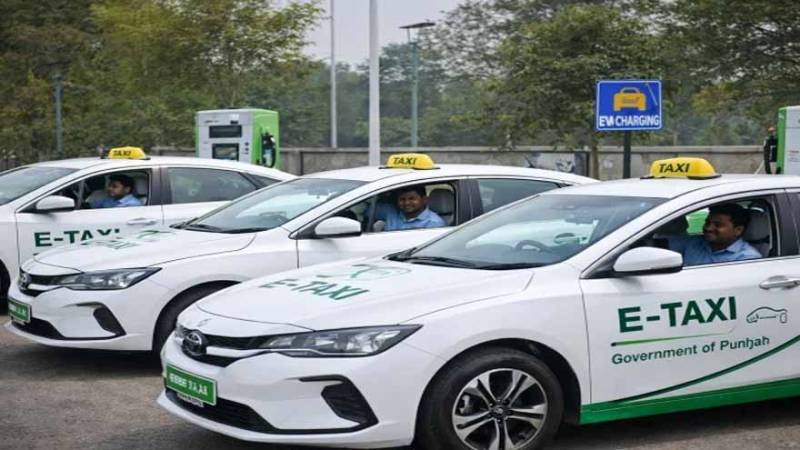
Overview of the Punjab E-Taxi Program
The Punjab E-Taxi initiative is designed to shift urban transport toward electric mobility. Drivers are expected to operate EV-based taxis either through government partnerships or ride-hailing platforms integrated into the system.
Key expected features include:
- Electric vehicles provided on subsidized installments or lease models
- App-based ride booking system (similar to Uber or Careem structure)
- Government-regulated fare system for transparency
- Lower fuel dependency due to charging-based operations
- Maintenance support incentives for EV usage
The core idea is to reduce daily operational costs so that drivers can retain a higher share of their earnings compared to petrol or diesel taxis.
How Drivers Generate Income in E-Taxi System
Drivers typically earn money through a combination of:
- Per-Kilometer Fare Earnings
- Base Ride Charges
- Peak Hour Bonuses
- Incentives from Ride Targets
- Occasional Government Subsidy Support (if applicable)
Unlike traditional taxi systems, income is not fixed. It fluctuates depending on demand, working hours, and efficiency.
Estimated Earnings Breakdown (Realistic Model)
While exact official figures may vary depending on final policy implementation, similar electric ride-hailing systems in South Asia suggest the following income structure:
📊 Estimated Driver Income Model (Daily & Monthly)
| Category | Estimated Range (PKR) | Description |
|---|---|---|
| Daily Gross Earnings | 4,000 – 9,000 | Based on 8–12 working hours |
| Weekly Earnings | 28,000 – 63,000 | Depending on ride demand |
| Monthly Gross Income | 120,000 – 270,000 | Before deductions |
| Charging Cost | 800 – 2,000 per day | Much lower than fuel cost |
| Maintenance Cost | Low to moderate | EVs require less servicing |
| Net Monthly Income | 90,000 – 220,000 (approx.) | After basic expenses |
These figures are not fixed salaries but performance-based earnings estimates derived from similar EV taxi systems and ride-hailing markets.
Factors That Directly Affect Driver Earnings
Driver income in the Punjab E-Taxi system will depend on several real-world conditions. Understanding these factors is important for setting realistic expectations.
1. City Demand Level
Large cities like Lahore, Faisalabad, and Rawalpindi generally offer higher ride demand compared to smaller towns. More demand directly increases daily ride volume.
2. Working Hours
Drivers working peak hours (morning office time, evening rush, weekends) are likely to earn significantly more than part-time drivers.
3. Route Selection
Short city rides may bring steady income, but airport routes, commercial hubs, and intercity connections can increase earnings.
4. Charging Efficiency
Electric taxis depend on charging stations. Drivers who plan charging times efficiently can save both time and money.
5. Platform Incentives
If integrated with app-based systems, drivers may receive bonuses for completing a certain number of rides per day or maintaining high ratings.
Cost Advantage of Electric Taxis
One of the biggest reasons this program is expected to increase driver income is the reduction in fuel expenses.
Compared to petrol taxis:
- Electric charging costs are significantly lower
- No oil changes or frequent engine servicing
- Fewer mechanical breakdowns
- Longer-term vehicle efficiency
This means that even if gross earnings are similar to traditional taxis, net income is expected to be higher in EV taxis due to reduced operating costs.
Earnings Reality Check (Important Insight)
It is important to understand that earnings are not guaranteed. Income will depend on:
- Daily availability of rides
- Competition among drivers
- Government pricing structure
- Seasonal demand changes
- Vehicle charging infrastructure availability
Drivers who treat this as a full-time structured job and follow optimized schedules are likely to earn more consistently than casual drivers.