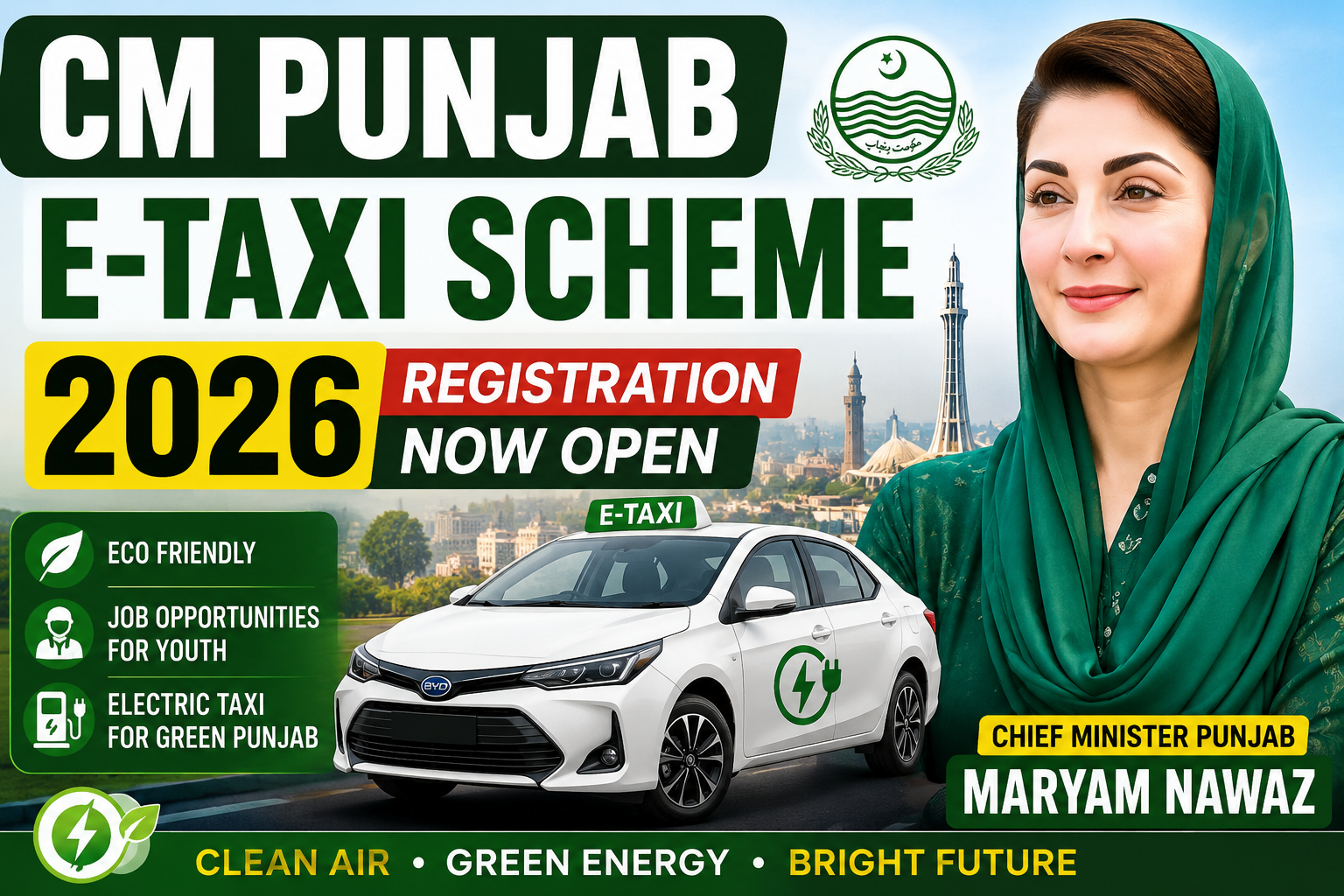
The Government of Punjab has introduced a new initiative known as the CM Punjab E-Taxi Scheme 2026, designed to support unemployed youth, reduce fuel dependency, and promote eco-friendly transportation across the province. This program is part of a broader vision to modernize urban mobility and create sustainable income opportunities for drivers.
Under the leadership of the Chief Minister of Punjab, Maryam Nawaz, the provincial government is focusing on green transport solutions and digital-based job creation programs. The E-Taxi Scheme is one of the most anticipated projects in this direction.
The initiative is expected to introduce electric taxis in major cities of Punjab, helping reduce air pollution and improving public transport quality while providing affordable earning opportunities for drivers.
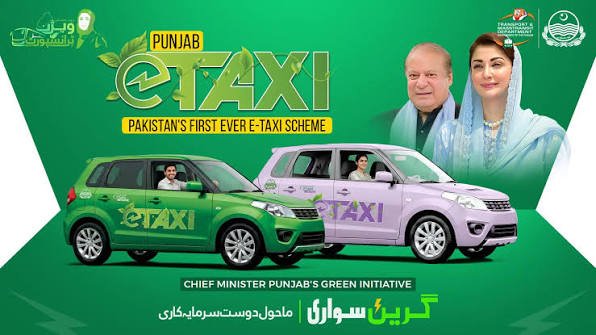
Purpose of CM Punjab E-Taxi Scheme 2026
The main objective of this scheme is not just to introduce electric vehicles but to create a long-term sustainable transport ecosystem in Punjab.
Key goals include:
- Providing employment opportunities for unemployed youth
- Promoting electric and eco-friendly transport
- Reducing fuel import dependency in Pakistan
- Improving air quality in major cities
- Modernizing the taxi service system through digital platforms
This scheme is also expected to integrate ride-hailing technology to ensure better service management and transparency.
Key Features of E-Taxi Scheme 2026
Below is a simplified breakdown of the expected features of the program:
| Feature | Details |
|---|---|
| Vehicle Type | Electric Cars (E-Taxis) |
| Target Users | Unemployed youth, drivers, small investors |
| Cities Covered | Major cities of Punjab (Phase-wise rollout) |
| Ownership Model | Subsidized or installment-based vehicles |
| Support System | Government-backed financing assistance |
| Technology | App-based ride management system |
| Environmental Impact | Zero or low emissions transport |
This structured model is designed to ensure that participants can easily join the program without heavy financial burden.
Eligibility Criteria (Expected Guidelines)
Although official final rules may vary, the following eligibility conditions are expected for applicants:
- Applicant must be a resident of Punjab
- Valid CNIC (Computerized National Identity Card) required
- Age limit likely between 21 to 45 years
- Valid driving license (LTV preferred)
- No serious criminal record
- Preference may be given to unemployed individuals
These criteria are designed to ensure that the scheme benefits those who genuinely need employment support.
How the Scheme Supports Green Economy
One of the strongest aspects of the CM Punjab E-Taxi Scheme 2026 is its contribution to environmental protection.
Electric taxis help reduce:
- Carbon emissions
- Fuel consumption
- Noise pollution in cities
At the same time, they encourage the adoption of renewable energy-based transport systems. This aligns with global trends where countries are shifting toward electric mobility solutions.
Expected Registration Process (General Idea)
While official registration steps may be announced in detail later, the expected process may include:
- Online registration through a government portal
- CNIC verification via NADRA database
- Submission of driving license and personal details
- Selection process based on eligibility
- Training or orientation for selected candidates
- Vehicle allocation under installment or subsidy model
Applicants are advised to keep documents ready for smooth processing once the portal goes live.
Economic Impact of the Scheme
The CM Punjab E-Taxi Scheme is expected to positively influence the local economy in multiple ways:
- Job creation for thousands of drivers
- Growth of electric vehicle market in Pakistan
- Reduction in fuel import expenses
- Encouragement of local EV infrastructure development
- Increase in digital ride-hailing services
This initiative can also attract private sector investment in charging stations and EV maintenance networks.
Transition Toward Modern Transport System
Punjab’s transport system has long faced issues like overcrowding, pollution, and outdated taxi services. The introduction of electric taxis is seen as a major step toward modernization.
With the integration of smart technology, passengers will likely benefit from:
- App-based booking systems
- Transparent fare structures
- Improved vehicle safety standards
- Better travel experience
The second part of the CM Punjab E-Taxi Scheme 2026 focuses on practical requirements, financial structure, benefits for drivers, and the long-term impact of this initiative on Punjab’s transport system. This phase is important for understanding how applicants can actually participate and what they can expect after registration.
Required Documents for Registration
Applicants will likely need to prepare a set of basic documents before applying. These documents are necessary for identity verification and eligibility assessment.
Document Type Purpose CNIC (National ID Card) Identity verification Driving License Proof of driving eligibility Domicile Certificate Proof of Punjab residency Passport-size Photos Application profile setup Mobile Number Registration & updates Bank Account Details Installment or payment processing Having these documents ready in advance can make the registration process smoother and faster once the official portal becomes active.
Expected Financial Structure (Installment System)
One of the most important aspects of the scheme is its expected financing model. The government is likely to introduce a subsidized or easy installment plan so that more individuals can afford electric taxis.
Key expected financial features:
- Low down payment option
- Monthly installment plans
- Government subsidy on electric vehicles
- Possible partnership with banks or leasing companies
- Reduced maintenance cost compared to fuel-based taxis
This model is designed to support individuals who cannot afford to purchase a vehicle upfront but want to start earning through driving.
Benefits for Drivers and Participants
The CM Punjab E-Taxi Scheme 2026 offers several long-term benefits for drivers and participants. These benefits go beyond just employment and aim to improve overall financial stability.
Key Benefits:
- Stable monthly income opportunity
- Ownership-based earning model (in most cases)
- Lower fuel expenses due to electric charging
- Reduced maintenance costs compared to petrol/diesel vehicles
- Access to digital ride-hailing platforms
- Government-supported financial security structure
The scheme is especially beneficial for young individuals looking for sustainable and long-term income sources.
Technology Integration in E-Taxi System
A major highlight of this initiative is the integration of modern digital technology. The system is expected to work through a centralized mobile application.
Expected Features of the App System:
- Ride booking through mobile app
- GPS-based driver tracking
- Digital fare calculation system
- Cashless payment options
- Driver performance monitoring
- Customer feedback system
This digital transformation ensures transparency and reduces traditional issues like overcharging or route manipulation.
Environmental and Social Impact
The introduction of electric taxis will have a significant impact on both the environment and society.
Environmental Benefits:
- Reduction in air pollution
- Decrease in carbon emissions
- Less dependence on fossil fuels
- Promotion of renewable energy usage
Social Benefits:
- Employment generation for youth
- Improved public transport experience
- Safer and more organized taxi services
- Increased awareness of electric mobility
These changes are aligned with global sustainability goals and modern urban planning standards.
Challenges and Considerations
While the scheme offers many benefits, there are also some practical challenges that need attention for successful implementation.
- Availability of charging stations across cities
- Initial cost of electric vehicle infrastructure
- Training drivers for new technology systems
- Maintenance and battery replacement concerns
- Ensuring fair distribution of vehicles
Addressing these challenges will be important for the long-term success of the program.
Future Outlook of E-Taxi Scheme 2026
The CM Punjab E-Taxi Scheme is not just a short-term employment program but part of a broader transformation in Punjab’s transport system. Over time, it may expand into:
- Full electric public transport network
- Integration with metro and bus systems
- Expansion to smaller cities and rural areas
- Private sector partnerships for EV infrastructure
- Increased investment in renewable energy transport solutions
This initiative reflects a gradual shift toward a cleaner, smarter, and more organized transportation future in Punjab.
Final Structured Summary (SEO Reference Block)
Category Overview Scheme Name CM Punjab E-Taxi Scheme 2026 Purpose Employment + Eco-friendly transport Vehicle Type Electric Taxis Target Group Unemployed youth, drivers System Type App-based digital transport Financial Model Subsidy + installment system Key Benefit Sustainable income & low running cost Environmental Goal Reduced emissions & pollution